
Table of Contents
- Why Calming Sensory Tools Work for Anxious Adults
- Quick Comparison: 7 Calming Sensory Tools for Anxious Adults
- 1. Grounding Stones Meditative Fidget Collection: Best for Scent and Touch
- 2. Sensory Palm Bag: Best for Nighttime Anxiety and Sleep
- 3. Anxiety Journal & CBT Workbook: Best for Tracking Triggers
- 4. The Anti-Anxiety Notebook: Best for Daily Thought Reframing
- 5. Sensory Journal: Best for Tactile Grounding While Writing
- 6. Rub & Sniff Scented Colored Pencils: Best for Creative Stress Relief
- How to Choose Based on Your Sensory Preference
- Frequently Asked Questions
Last Updated: September 27, 2026
Why Calming Sensory Tools Work for Anxious Adults
Calming sensory tools are physical objects that engage one or more senses to interrupt the anxiety spiral and bring attention back to the present moment. Anxiety lives in the future; sensory input pulls you back to right now.
How Touch, Scent, and Movement Signal Safety
Your nervous system constantly scans for threat, and anxiety keeps the body locked in a stress response even when nothing is wrong. Sensory input gives it something concrete to process instead.
Tactile stimulation is the most direct route.
Grounding Techniques for Anxiety That Fit in Your Pocket
Grounding techniques are simple, portable practices that anchor you to the present moment. They work best when they engage multiple senses at once, which is why a physical object can outperform a mental exercise you're too overwhelmed to remember.
Here are the most practical options:
- A smooth stone you can rub between thumb and forefinger
- A small textured bag filled with natural materials
- A scented pencil you rub to release aroma
- A journal with a tactile cover you can touch while thinking
- A warming eye mask that delivers heat and scent together
Quick Comparison: 7 Calming Sensory Tools for Anxious Adults
The best calming sensory tools match your dominant sensory preference, not someone else's. Here's how some picks compare at a glance.
| Tool | Price | Primary Sense | Best For |
|---|---|---|---|
| Grounding Stones Meditative Fidget Collection | $20.00 | Touch + scent | Meetings, travel, public settings |
| Sensory Palm Bag | $26.00 | Touch + scent | Nighttime anxiety, sleep |
| Anxiety Journal & CBT Workbook | $17.00 | Cognitive + tactile | Trigger tracking, therapy support |
| The Anti-Anxiety Notebook | $38.00 | Cognitive | Daily thought reframing |
| Sensory Journal "Shake It Up" | $15.00 | Touch + visual | Writing with tactile grounding |
| Rub & Sniff Scented Colored Pencils | $11.00 | Scent + creative | Creative stress relief |
| Calm Self-Warming Sleep Masks | $20.00 | Heat + scent | Headaches, sleep, eye strain |
1. Grounding Stones Meditative Fidget Collection: Best for Scent and Touch
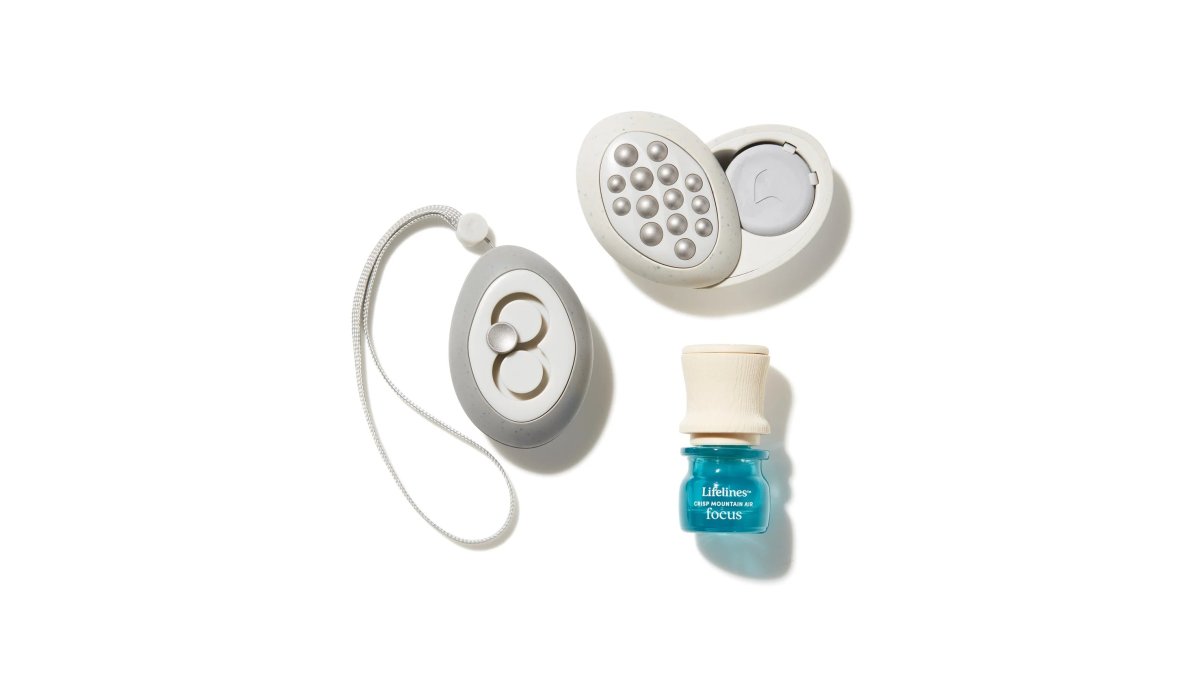
This is our top pick because it solves the portability problem that kills most grounding routines. The collection pairs smooth grounding stones with an essential oil blend and an inner diffusion rock, so you get tactile stimulation and scent from one pocket-sized object.

2. Sensory Palm Bag: Best for Nighttime Anxiety and Sleep
The Sensory Palm Bag was built for nighttime anxiety. Hand sewn from organic cotton and filled with organic pearl barley and organic lavender, it responds to your grip and holds the shape of your hand, which is proprioceptive input at its most direct. The lavender adds scent without any effort on your part.

3. Anxiety Journal & CBT Workbook: Best for Tracking Triggers
Physical tools calm the body. Journals change the pattern. This printable workbook runs 125 pages and uses Cognitive Behavioral Therapy-style worksheets to help you map what sets off your anxiety, challenge the thoughts that follow, and build a repeatable plan for the moments when it spikes. It's a digital download, so you print it at home or annotate it in an app like Goodnotes or Notability.
- Anxiety Mapping Project for triggers, timeline, and body cues
- Worry Transformation Lab for separating productive worry from unproductive worry
- Thought Record and Distortion Detective for reframing practice
- Courage Ladder for small, graded exposures
- Prevention and Emergency Kits for a daily plan plus in-the-moment steps
- Daily and Weekly Trackers for habits, mood, and wins
4. The Anti-Anxiety Notebook: Best for Daily Thought Reframing
If you want a bound book rather than a printable, this is the one to get. It's a guided notebook built on Cognitive Behavioral Therapy, the same rigorously tested framework used in clinical treatment, and it walks you through identifying, challenging, and changing unhelpful thought patterns. The difference from a blank journal is guidance: a blank page asks you to generate insight while anxious, while a guided page asks you to fill in blanks and answer specific prompts.
5. Sensory Journal: Best for Tactile Grounding While Writing
Your hand is already moving. Give it a surface worth touching and you add a sensory channel to a cognitive task.
Grounding Stones Meditative Fidget →
6. Rub & Sniff Scented Colored Pencils: Best for Creative Stress Relief
Scent is the fastest sensory channel to the emotional brain, and this 10-pack makes accessing it almost playful. Each pencil carries a different essential oil blend, from pine and patchouli to grapefruit and gardenia, activated by rubbing the pencil using the brand's patent-pending Rub & Sniff technology.
How to Choose Based on Your Sensory Preference
The right tool depends on which sense your nervous system responds to fastest, and that varies from person to person.
Use this decision framework:
- If touch settles you fastest: start with the Grounding Stones or the Sensory Palm Bag
- If scent shifts your state: start with the Rub & Sniff Pencils or the Grounding Stones with oil
- If writing helps you process: start with the Anti-Anxiety Notebook or the Sensory Journal
- If you want structure and tracking: start with the Anxiety Journal & CBT Workbook
- If nighttime is your hardest window: start with the Sensory Palm Bag or the warming sleep masks
Cleaning and Maintenance: The Step Most People Skip
Sensory tools go in pockets, bags, and hands, collecting oils, dust, and lint.

- Grounding stones: wipe with a damp cloth and mild soap, then dry fully before storing
- Sensory Palm Bag: spot clean the surface only. Never soak it, since the barley filling will hold moisture
- Warming sleep masks: single-use, so discard after each session
- Journals and notebooks: keep away from drinks and store flat to protect the binding
- Scented pencils: store in a cool, dry place so the oils don't fade prematurely
Workplace Etiquette for Fidgeting
Discreet fidgeting at work comes down to three rules: keep it quiet, keep it small, and keep it below the table line in meetings. Clicking pens and snapping rubber bands are the two most common offenders, and audible fidgets read as distracting to everyone else in the room. Silent options like smooth stones, textured fabric, or a pencil you rub between your fingers solve that problem completely.
Integrating Sensory Tools With Therapy
Sensory tools work best as one part of a broader approach, not as a standalone fix. Many therapists incorporate grounding techniques into treatment for anxiety, and a physical tool can reinforce those techniques between sessions. Bring your tool to therapy and show your therapist what you're using and when; they can connect it to the specific patterns you're working on and tell you if something isn't serving you.
Frequently Asked Questions
What are some good sensory tools for adults with anxiety?
Effective calming sensory tools for anxious adults include tactile fidgets like the Grounding Stones Meditative Fidget Collection, weighted or scented items like the Sensory Palm Bag, and journaling tools like the Anxiety Journal & CBT Workbook. These tools engage touch, scent, and movement to support nervous system regulation. Many adults also use discreet fidget toys for work, such as smooth stones or textured pens, to stay calm during meetings without drawing attention.
How do sensory tools help regulate the nervous system?
Sensory tools work by providing specific input, such as tactile stimulation or proprioceptive feedback, that can interrupt the stress response. When you focus on a physical sensation like the weight of a palm bag or the texture of a grounding stone, it shifts attention away from anxious thoughts and activates the parasympathetic nervous system. This supports emotional regulation and can reduce feelings of overstimulation. Tools like the Grounding Stones combine touch and scent for a multi-sensory calming effect.
Can sensory tools be used in professional settings discreetly?
Yes, many sensory tools are designed for discreet use at work. Small items like the Grounding Stones or a smooth fidget ring can be held in a pocket or under a desk. The Sensory Journal has a quiet tactile cover that looks like a regular notebook. For open offices, try the Rub & Sniff Scented Colored Pencils, which look like standard pencils but provide calming aromatherapy when rubbed. These options let you manage anxiety without disrupting your colleagues.
What is a '5-minute calm kit' and how do I build one?
A 5-minute calm kit is a small collection of portable sensory tools you can use during a quick break to reset your nervous system. To build one, start with a tactile item like the Grounding Stones or a Sensory Palm Bag for touch and scent. Add a mini journal or the Anxiety Journal & CBT Workbook for a quick thought record. Include a self-warming sleep mask for eye strain. Keep these in a pouch so you can access them during commutes, lunch breaks, or stressful moments at work.
How can I use crystals for grounding during anxiety?
To use crystals for grounding, hold a smooth stone like rose quartz or a grounding stone in your palm. Focus on its coolness, weight, and texture. Breathe slowly and imagine the stone absorbing tension. The Mindfulness Ritual Set includes a Rose Quartz Heart Crystal that can be held during a calming evening ritual. Pairing crystals with grounding techniques for anxiety, such as the 3-3-3 rule (name 3 things you see, 3 you hear, 3 you feel), can deepen the practice.